What Are Vending Solutions and How Do They Work?
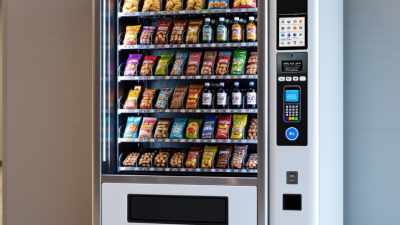
Vending Solutions are no longer simple machines filled with snacks and drinks. They are connected retail systems designed for fast, convenient purchases in offices, hospitals, schools, transport hubs, and public facilities. A customer selects an item, pays through cash, card, or mobile wallet, and receives the product within seconds. Behind that small transaction, software can track inventory, sales, temperature, and machine performance.
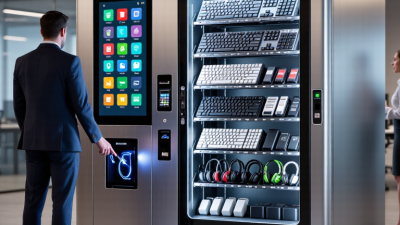
Industry expert Carla Balakgie, former president and CEO of the National Automatic Merchandising Association, described the sector’s value this way: “Vending is a 24/7 business.” That idea remains practical. A well-managed machine can serve workers during a night shift or visitors after a building’s café closes. Its touchscreen may display product details, payment status, and availability. Its sensors can alert operators before popular drinks disappear.
The process looks simple. It is not always simple.
Operators must choose suitable locations, reliable equipment, safe products, and clear pricing. They also need regular cleaning, restocking, maintenance, and customer support. Cashless payment improves convenience, but connectivity failures can interrupt a sale. Data can improve decisions, yet poor data may lead to unnecessary waste. This is where Vending Solutions become more than hardware. They connect machines, people, payments, and operations.
The model still has weaknesses. Some users may prefer human service. Others may find machines confusing or inaccessible. Therefore, effective vending requires testing, observation, and honest adjustment. This article examines how Vending Solutions work, what technologies they use, and why dependable service matters as much as convenience.
Definition and Core Purpose of Vending Solutions
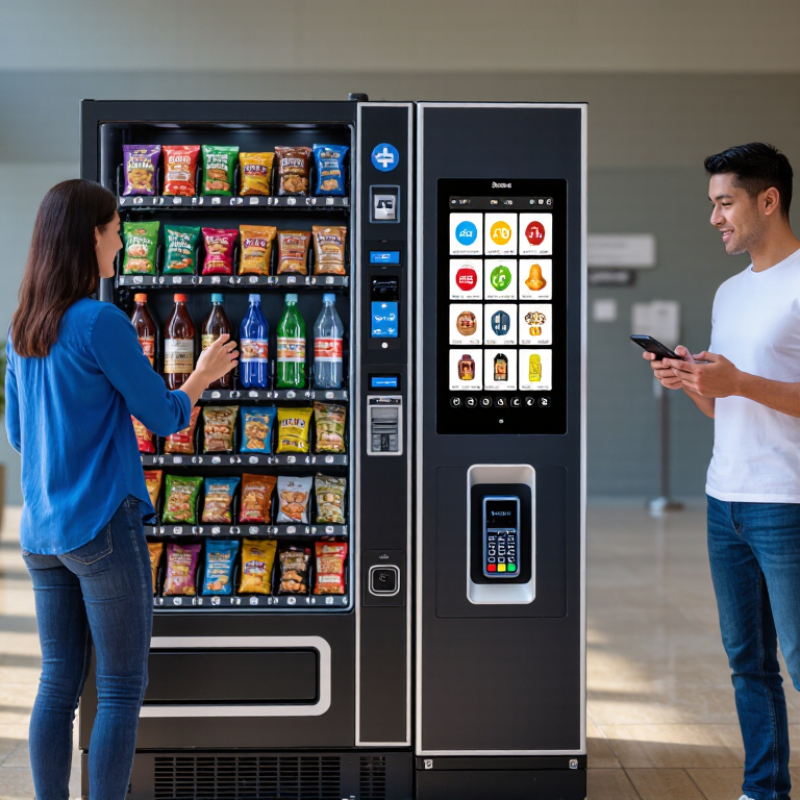
Vending solutions are automated systems that provide products through controlled, self-service access. They may include machines, payment tools, inventory software, and remote monitoring. Their core purpose is simple: make everyday purchases available when staff cannot serve customers directly. A well-designed system can offer drinks, snacks, personal care items, or workplace supplies in seconds.
In practice, a customer selects an item, confirms payment, and receives it from a secure compartment. Sensors can track stock levels, temperature, product movement, and payment status. Operators use this information to schedule refilling and detect faults before customers report them. From my experience observing self-service environments, clear product labels and reliable payment steps matter as much as the machine itself. Small delays can quickly reduce trust. The technology is useful, but it is not perfect.
Tips: Choose systems with visible pricing, accessible controls, and secure payment processes. Check stock data regularly, because sensors can occasionally report inaccurate readings. Keep high-use items near eye level and review sales patterns before changing the product mix. A short customer feedback form can reveal problems that software misses.
Vending solutions also support controlled distribution in offices, schools, hospitals, and public facilities. Their value comes from convenience, consistency, and measurable operations. However, responsible operators must maintain equipment, protect transaction data, and provide clear support when something goes wrong. Automation should reduce friction, not remove accountability.
Key Components That Make Vending Solutions Work
What Are Vending Solutions and How Do They Work?
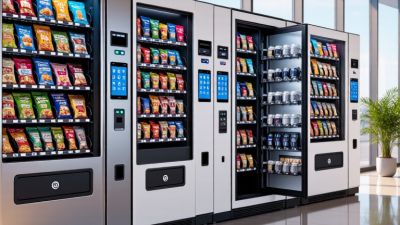
A vending solution is more than a cabinet with a payment reader. It combines hardware, software, inventory control, and service routines. The cabinet protects products and keeps temperatures stable when required. A controller manages selections, sensors, motors, and door locks. Payment hardware confirms approved transactions before dispensing an item. Cashless options can speed up purchases, but connectivity problems still occur.
The user interface is another critical component. A clear screen, physical buttons, and readable instructions reduce hesitation. Accessibility matters too. Product spirals, lifts, or conveyors must match package size and weight. A small snack can jam when the motor pushes it too quickly. Good systems use sensors to detect successful delivery and trigger a refund process when needed. This detail builds trust. It also prevents inaccurate stock records.
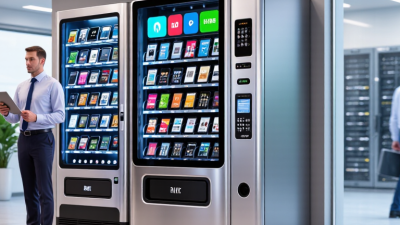
Remote management connects the machine to an operating team. It can report low inventory, temperature changes, payment errors, and unusual downtime. Staff can then plan replenishment instead of checking every location blindly. Secure data transmission and controlled user permissions protect operational information. Regular cleaning, calibration, and electrical inspections remain essential. Technology does not remove maintenance. It sometimes hides problems until they become expensive. A practical deployment should test real products, peak traffic, lighting, network strength, and emergency access before launch. Early tests may reveal an awkward button or a slow delivery cycle. That is useful evidence, not failure.
How Customers Select Products and Complete Payments
What Are Vending Solutions and How Do They Work?
How Customers Select Products and Complete Payments
Vending solutions combine product storage, digital controls, inventory tracking, and secure payment tools. For customers, the experience begins with a clear product display and simple instructions. A shopper can browse item images, prices, sizes, and allergy information before making a choice.
Selection usually happens through a touchscreen, keypad, or product button. After choosing an item, the machine checks availability and shows the final price. The customer then pays with cash, a bank card, or a contactless method. Some systems also support mobile payment through a secure payment screen. The process should feel quick, but not rushed.
Payment approval comes from the financial network, not from the machine alone. If the transaction succeeds, the machine releases the product and may print or send a receipt. When payment fails, the screen should explain the problem clearly. A second attempt may solve it, but repeated errors need human support.
Small details matter. A well-lit slot helps customers collect products without confusion. Tactile buttons and readable text support people with different needs. In practical testing, unclear refund messages can cause more frustration than a slow screen. The process is not flawless. A product can become stuck, or a payment can appear delayed. Reliable systems record these events, protect transaction data, and provide a visible support contact. That accountability builds trust, even when the machine needs correction.
How Inventory, Security, and Maintenance Are Managed
A vending solution combines a machine, payment interface, telemetry, and a replenishment workflow. Its real value appears behind the glass, where inventory, security, and service decisions meet. The 2023 NAMA Industry Census estimated U.S. vending sales at $18.2 billion in 2022, showing the scale of repeated transactions. Operators therefore track each selection, not only total revenue. Sensors can record product counts, temperature, and cashless payments. A dashboard then flags fast-moving items before a shelf looks empty. It is useful, but not magic. Counts can drift after a jam, failed scan, or hurried refill.
Inventory control works best when digital counts meet physical checks. A route worker scans the machine, compares the tray map, and records expired or damaged stock. This creates evidence for forecasting and audit trails. Security needs the same discipline. Access logs, encrypted payment data, camera coverage, and tamper alerts reduce exposure. The 2024 Verizon Data Breach Investigations Report found a human element in 68% of breaches. Staff training still matters. A locked panel cannot correct a shared password or an ignored alert.
Maintenance systems combine remote diagnostics with scheduled visits. Temperature warnings, motor errors, and payment failures can create work orders before customers report them. Technicians should document the fault, part replaced, test result, and return time. That record supports reliability claims and safer decisions. Yet predictive alerts are not always right. Dust, unstable networks, and incomplete sensor data can produce false alarms. A practical program reviews exceptions monthly, checks critical machines manually, and adjusts thresholds from field experience. Small omissions remain possible, so operators should keep a clear escalation path and inspect the machine after every repair.
Common Types and Applications of Vending Solutions
What Are Vending Solutions and How Do They Work?
Vending solutions combine automated machines, payment systems, inventory tools, and remote monitoring. They dispense selected products after confirming payment. Modern units may accept cards, mobile payments, or cash. Sensors track stock levels and report faults to an operator.
Common types include snack and drink machines, fresh-food units, personal-care dispensers, and workplace supply machines. Each type serves a different setting.
Drink machines suit offices, schools, transport areas, and fitness facilities. Fresh-food machines can provide sandwiches, salads, or fruit near hospitals and business parks. Personal-care units may offer hygiene products in restrooms, campuses, and public facilities. Workplace machines can supply gloves, stationery, or basic safety equipment.
Tips: Place machines where people naturally pause. Keep popular items between eye and hand level. Check temperatures, expiration dates, payment functions, and cleaning records every day. Clear labels reduce confusion and speed up purchases. Accessibility also matters; controls should be reachable and easy to read.
A practical operator watches more than sales. They study empty shelves, repeated error messages, and products that remain untouched. No system is perfect. A machine may predict demand incorrectly during holidays or sudden weather changes. Regular human checks still matter. Poor placement can waste even the best technology. Reliable vending depends on suitable products, safe maintenance, accurate stock data, and quick responses when something fails.