Top 10 Vending Products for Global Buyers?

Choosing the right Vending Products can shape a machine’s sales, operating costs, and customer trust. Global buyers need more than attractive packaging or low supplier prices. They must examine demand, product shelf life, machine compatibility, and local purchasing habits.

This guide introduces ten practical product categories for international vending operations. They may include bottled drinks, packaged snacks, coffee capsules, personal care items, and other lawful, everyday goods. Each category reflects common market needs, but no product works equally well everywhere. A cold drink may sell quickly in a tropical transport hub, while hot coffee may perform better near offices or universities.

Details matter. A buyer should check package dimensions, temperature requirements, allergen labels, expiration dates, and replenishment frequency. A narrow spiral may reject a wide snack pouch. A fragile bottle may create waste during delivery. These issues often appear only after installation.

Real experience helps.

Reliable sourcing also requires supplier verification, sample testing, clear invoices, and documented quality controls. Buyers should confirm import rules, labeling requirements, recycling obligations, and payment regulations before placing large orders. Legal standards vary across countries and sometimes between cities. Expert advice is valuable when requirements remain unclear.

The ranking in this article is not a universal sales forecast. It is a practical starting point, based on usability, repeat demand, storage concerns, and global sourcing potential. Some recommendations may need adjustment. That is intentional. Strong vending decisions come from testing small quantities, tracking sell-through rates, and learning from weak results. A product that looks perfect on paper may remain untouched in a real machine.
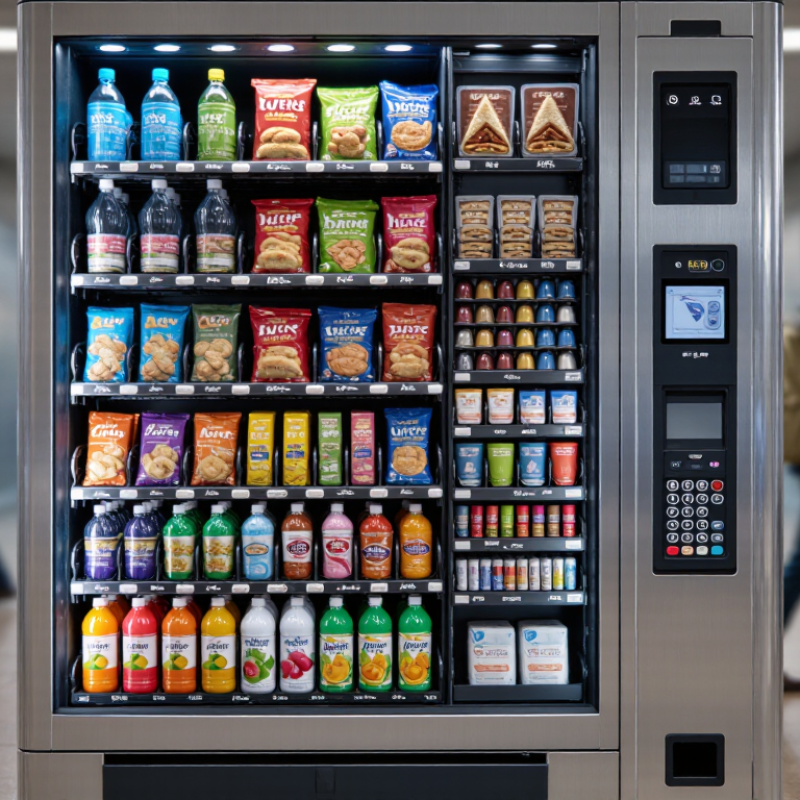
Top 10 Vending Products for Global Buyers?

Global Vending Market Size and Growth Outlook: Grand View Research Data

Top 10 Vending Products for Global Buyers

Global Vending Market Size and Growth Outlook: Grand View Research Data

Global buyers are entering a vending market shaped by convenience, automation, and changing daily routines. Grand View Research estimates the global vending machine market reached USD 21.84 billion in 2023. Its report projects a compound annual growth rate of about 10.7% from 2024 to 2030. This growth reflects stronger demand for quick purchases in offices, transport hubs, hospitals, schools, and residential areas. The figure is encouraging, but market averages can hide sharp regional differences.

For practical sourcing, the top ten product groups include bottled water, healthy snacks, confectionery, coffee, tea, cold drinks, ready-to-eat meals, personal care items, electronics accessories, and pet supplies. Product choice should match climate, income, foot traffic, and local eating habits. Fresh meals may perform well near offices, while shelf-stable snacks suit smaller towns. Refrigeration also raises energy and maintenance costs. Buyers should check temperature control, payment compatibility, remote monitoring, and refill speed before ordering. Small pilots matter. I would test two or three product mixes for several weeks, then compare sales by hour and location. A vending machine can look profitable on paper and still fail beside an inconvenient entrance.

Product Ranking Criteria: Demand, Margin, Shelf Life, and NAMA Standards

Top 10 Vending Products for Global Buyers

A practical ranking begins with real demand, not attractive packaging. Bottled water, shelf-stable snacks, nutritional bars, coffee, tea, and personal-care essentials often perform well. Yet demand changes near schools, offices, hospitals, and transport hubs. I have seen familiar products sell slowly when the machine location was poorly matched. Local taste matters. A spicy snack may succeed in one market and remain untouched in another. Buyers should review sales data, foot traffic, seasonality, and refill frequency before choosing the final ten products.

Margin must include more than the purchase price. Import duties, storage, payment fees, machine maintenance, and expired stock can reduce returns quickly. Products with long shelf lives create fewer urgent refills. However, long shelf life does not guarantee quality. Heat can damage chocolate, dairy-based drinks, and some supplements. Check temperature requirements, packaging strength, ingredient labels, and traceability records. Small packages may improve affordability, but they can also increase packaging waste. That trade-off deserves attention.

NAMA-related guidance can help buyers assess vending equipment, sanitation practices, accessibility, and operating procedures. It should be reviewed with local food, labeling, electrical, and consumer-protection rules. NAMA guidance is not a replacement for national compliance checks. Machines should support clear prices, secure payment, reliable product rotation, and visible cleaning records. A ranking based only on margin is incomplete. I would also test a small product mix for four to eight weeks, then remove weak sellers, even when the original forecast looked convincing.

Top 10 Vending Products for Global Buyers

Product ranking criteria: demand, margin potential, shelf life, and NAMA-aligned vending compatibility

Demand
Estimated relative purchase frequency across major vending locations
Margin Potential
Typical room for operator margin after product and operating costs
Shelf Life
Storage stability and reduced spoilage risk
NAMA Compatibility
Practical fit with common vending formats, handling, and service standards

Scores are normalized benchmarks from 0 to 100 based on general global vending-market characteristics. NAMA compatibility indicates operational fit and does not represent product certification.

Top 10 Vending Products Across Drinks, Snacks, Fresh Food, and Essentials

Global vending buyers are choosing products that solve quick, ordinary needs. The strongest ten include bottled water, sparkling drinks, ready-to-drink coffee, fruit juice, savory snacks, granola bars, chilled sandwiches, fresh salads, whole fruit, and personal-care essentials. These categories suit offices, schools, transport hubs, hospitals, and residential buildings. Local demand still matters more than a universal product list.

Bottled water remains practical in warm climates and busy locations. Sparkling drinks and fruit juice add variety, while coffee supports morning and late-shift purchasing. Savory snacks and granola bars provide portable energy without requiring utensils.

Chilled sandwiches and fresh salads need reliable refrigeration, clear expiry labels, and frequent stock rotation. Whole fruit can feel healthier, but bruising and uneven ripening create waste. That problem is easy to underestimate.

Personal-care essentials may include tissues, sanitary products, travel toothpaste, and small hygiene items. They often sell during unexpected moments, not planned shopping trips. Field testing should track sales by hour, temperature, location, and package size. A product that performs well in an airport may fail in a factory lobby. Fresh food also requires stricter handling controls than sealed snacks. Buyers should verify local food, labeling, recycling, and electrical requirements before launch. Taste preferences change quickly. Even careful forecasts can miss seasonal behavior.

Regional Product Demand: Euromonitor Insights for Major Global Markets

Global vending demand is less uniform than many product catalogs suggest.
Euromonitor’s regional insights point to local routines, income levels, and health expectations. In North America, chilled water, energy drinks, salty snacks, protein bars, and ready-to-eat meals suit fast-moving locations. Office towers favor quick nutrition. Transit hubs reward familiar flavors and easy packaging. Temperature control remains critical.

Across Western Europe, coffee, sparkling water, healthier snacks, sandwiches, and plant-based options show stronger relevance. Consumers often inspect sugar, salt, recycling instructions, and portion size before purchasing. In Japan and South Korea, compact meals, tea, coffee, confectionery, and hygiene essentials suit dense urban machines. Small portions matter. Payment convenience matters too. However, demand can change sharply between commuter stations, universities, hospitals, and factories.

In Latin America, bottled water, juice, snacks, and simple breakfast items can perform well where heat meets heavy foot traffic. Middle Eastern markets may favor water, chilled drinks, dates, nuts, and convenient packaged meals. Local certification and clear ingredient labels help build trust. Product selection should follow field testing, not a generic global ranking. One weak assumption persists: popular online does not mean profitable in a machine. Stock-outs, spoilage, and unsuitable pricing can distort results. Buyers should compare weekly sales, refill frequency, and customer feedback by location.

Buyer Evaluation: Payment Systems, Compliance, Logistics, and ROI Metrics

Top 10 Vending Products for Global Buyers

Global buyers often compare ten practical categories: bottled water, packaged snacks, hot drinks, chilled meals, fresh fruit, personal-care items, school supplies, phone accessories, household essentials, and protective workwear. Product choice depends on location, shelf life, and local demand. A busy station may reward fast snacks, while an office may prefer fresh meals and coffee. My field experience suggests starting with a small product mix. Large catalogs can create slow-moving inventory and unnecessary waste.

Payment systems need secure card, mobile-wallet, and cash options where permitted. Check transaction speed, receipt functions, refund handling, and offline procedures. Compliance includes electrical certification, food labeling, accessibility, data protection, and local tax rules. Logistics also matters. Measure doorways, power access, climate exposure, customs requirements, and replacement-part availability. A reliable local technician can reduce long service interruptions. Small delays hurt.

Tips: Track transactions per day, average basket value, gross margin, uptime, spoilage, refill labor, and shrinkage. Estimate payback using real sales data, not optimistic forecasts. Test one location first. Review results after four weeks. I would also record failed payments and empty selections; these details often expose weak assumptions. ROI may look attractive until delivery fees, permits, maintenance, and seasonal demand are included. Some products sell well initially but become difficult to manage. That is a risk worth admitting early.