How to Start a Food Vending Business in 2026?
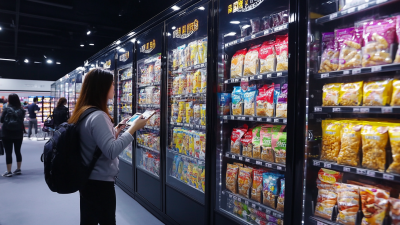
Starting a Food Vending business in 2026 can look simple from the sidewalk. A machine stands quietly, accepts payment, and delivers a snack. The real business is less passive. It depends on safe food handling, dependable equipment, accurate pricing, and a location with repeat foot traffic.
David Pierson, president and CEO of the National Automatic Merchandising Association, described vending as “a convenient, technology-enabled retail channel that meets consumers where they are.” That idea matters in 2026. Customers may want protein bars near a gym, fresh sandwiches in an office, or chilled drinks beside a commuter entrance. Convenience is valuable, but convenience alone does not create profit.
This guide explains how to test demand, choose suitable products, and build a practical operating plan. It also covers machine selection, cashless payments, stocking routines, maintenance, insurance, and local food-safety requirements. These details are not glamorous. They decide whether customers return.
Begin with observation. Spend several mornings near a possible site. Count people, note waiting times, and watch what they already buy. A busy hallway may still produce weak sales. People might pass quickly or use a nearby café. Small details matter.
The first budget will probably be wrong. That is normal. Repair costs, product waste, and slow weeks can surprise new operators. Leave room for them. Review sales data weekly, remove weak products, and ask customers direct questions. Food Vending rewards consistency more than excitement. A clean machine, fresh products, and honest pricing build trust one transaction at a time.
Define Your Food Vending Business Model and Target Market
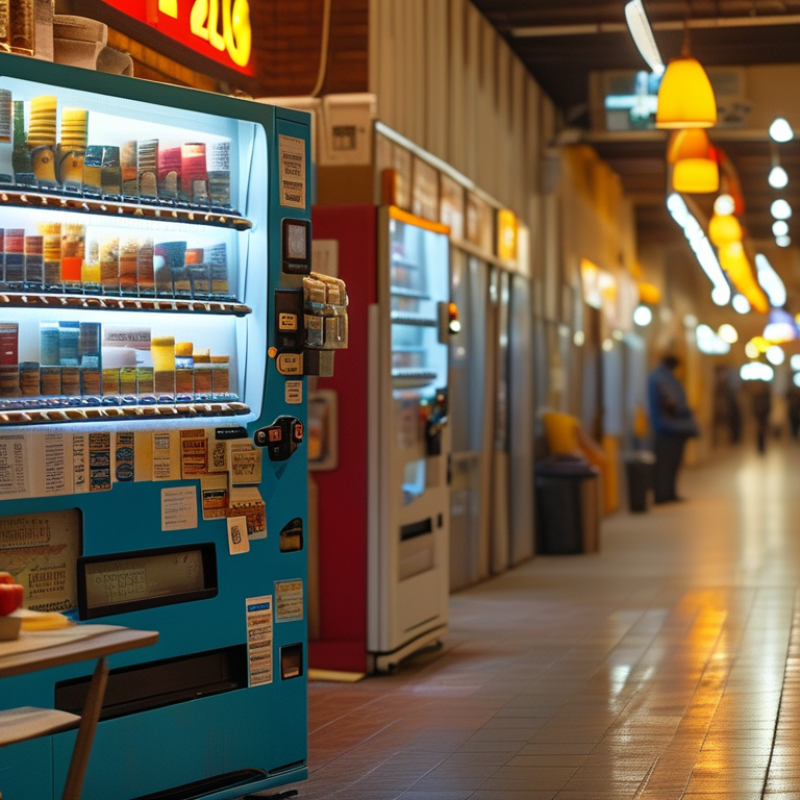
Before buying equipment, define what your vending business will solve. A hospital night shift needs warm, filling meals. A commuter station may favor coffee, fruit, and compact breakfast items. Do not target “everyone.” Choose one customer group, one location pattern, and one buying moment.
Industry data supports this narrow approach. The National Automatic Merchandising Association’s 2022 census estimated United States vending sales at approximately $18.2 billion in 2020. The figure shows demand, but it does not guarantee profit. The U.S. Bureau of Labor Statistics reported that households spent about 39% of their food budgets on food away from home in 2023. Price, speed, and convenience still shape the purchase.
Walk through the proposed site at 7:30 a.m., noon, and 9 p.m. Count people, observe queues, and record nearby meal prices. Ask ten potential customers what they would buy, then test only five products. Keep a simple sheet for sales, spoilage, refill time, and payment failures. A $9 meal may look attractive, yet a 20% waste rate can damage margins quickly. I would not trust one busy afternoon; weather and payroll schedules can distort the result. Review demand for at least two weeks. Check local permits, food-safety requirements, allergen labeling rules, and access to reliable refrigeration before committing to a lease.
Research Local Regulations, Permits, and Food Safety Requirements
How to Start a Food Vending Business in 2026?
Before buying a cart, research your city and county requirements. A vending permit may not replace a business license, zoning approval, fire inspection, or mobile food permit. Ask the local health department for a written checklist. Confirm approved vending locations, operating hours, waste disposal, and commissary kitchen rules. Requirements can change between neighboring cities.
Food safety needs daily discipline. The FDA Food Code 2022 recommends strict controls for time, temperature, handwashing, cleaning, and allergen management. The CDC estimates that about 48 million Americans experience foodborne illness each year. That figure makes casual preparation risky. Keep chilled foods at 41°F or below, when required by local rules, and record temperatures during service. Train at least one responsible food safety manager. Keep supplier invoices and cleaning logs. These records may protect customers and clarify problems during inspections.
Tips: Call the health department before signing a lease. Request permit fees in writing. Visit a permitted vending site and observe its handwashing setup. I would also test a small menu first; too many ingredients create more storage and temperature-control risks. The National Restaurant Association’s 2025 industry report projected U.S. restaurant and foodservice sales at $1.5 trillion, but that opportunity does not remove local compliance duties. My weak point would be assuming one permit covers everything. It rarely does.
Choose Equipment, Products, Suppliers, and Suitable Vending Locations
Starting a food vending business in 2026 requires disciplined choices, not only attractive machines. Grand View Research estimates the global vending machine market reached USD 21.33 billion in 2023. It also projects a 10.5% compound annual growth rate through 2030. This growth creates opportunity, but poor placement can still destroy margins.
Choose equipment with remote monitoring, temperature control, contactless payment, and simple maintenance access. Refrigerated machines suit sandwiches, fruit cups, yogurt, and bottled drinks. Ambient machines reduce energy costs and maintenance risks. Product selection should match the location’s daily rhythm. Offices may prefer quick breakfasts. Gyms may favor low-sugar drinks and protein snacks. Check supplier delivery schedules, minimum orders, shelf life, and refund policies. A cheap supplier can become expensive after spoilage.
Tips: Test one machine for 30 days before expanding. Record sales by hour, product waste, payment failures, and service visits. NAMA’s industry research consistently identifies cashless payment acceptance as a major vending expectation. Still, do not assume every customer wants premium products. A mixed-price menu usually gives clearer evidence. For locations, measure foot traffic during real buying hours, not just lunchtime. Transport hubs, hospitals, campuses, and large workplaces can perform well, but rent and access restrictions need careful review. My own planning bias would be choosing visibility over convenience. That can be a mistake. A machine near a quiet entrance may look perfect, yet generate little revenue. Verify permission, food-safety requirements, electrical capacity, and nearby competition before signing.
Build a Budget, Pricing Strategy, and Daily Operating Plan
How to Start a Food Vending Business in 2026?
A workable food vending budget begins with one location, not wishful thinking. List the machine, permits, insurance, transport, ingredients, packaging, card fees, and maintenance. Keep three months of operating cash aside. My first forecast was too optimistic. I underestimated small costs, especially fuel and unsold food. Track every expense in a simple daily spreadsheet.
Price each item using ingredient cost, packaging, labor, transaction fees, and expected waste. For example, a meal costing $3.20 to produce may need a $8.50 selling price. Test prices for two weeks, then compare sales volume and profit. Do not copy nearby prices blindly. Customers may pay more for freshness, speed, or a convenient location. Keep one affordable item, but protect your margin.
The daily operating plan should fit on one page. Check temperature controls, stock levels, payment systems, and machine cleanliness before opening. Record starting inventory with photos. Refill popular items during the busiest period, not at closing. Remove products before quality declines. Review sales, waste, cash flow, and customer comments each evening. Keep the routine realistic. A plan that takes three hours every morning may fail during busy weeks. Leave space for repairs, weather changes, and your own mistakes.
Launch, Promote, Maintain, and Grow Your Vending Business
How to Start a Food Vending Business in 2026?
Starting a food vending business in 2026 begins with a narrow, testable plan. Choose one location with steady foot traffic, such as an office building, college, or transit area. Confirm written permission, local health requirements, and approved food-handling procedures before installation.
Select products that suit the setting, including sealed snacks, chilled meals, and bottled drinks. Record temperatures and expiration dates daily. Keep a cleaning checklist nearby.
Small tests matter.
Track every sale, refill, spoilage event, and customer request. These details reveal what actually works. Promote the machine with a clean sign, simple product photos, and a visible payment guide.
A short QR survey can collect useful feedback. Offer limited discounts during quiet hours, but calculate the margin first.
Cheap sales can still lose money.
Maintenance protects trust. Inspect payment functions, door seals, lighting, and stock condition several times each week. Refill before popular items disappear, not after customers complain. Keep emergency contact details visible.
Growth should follow evidence, not excitement. Reinvest profits into better locations, reliable equipment, and products with repeat demand. Add a second machine only after the first shows stable results.
My initial forecast might be wrong, and yours may be too. Review the numbers monthly, question weak assumptions, and adjust one variable at a time.
Related Posts
-
Top 10 Snack Machine Manufacturers from China at the 137th Canton Fair
-
2026 Top Vending Machine Leasing Trends You Need to Know?
-
Unlocking Success with Innovative Vending Business Solutions for Entrepreneurs
-
10 Best Popcorn Vending Machines for Easy Snacking and High Profits
-
Best Food Vending Machines for Global Buyers in 2026?
-
7 Essential Tips for Sourcing the Best Snack Vending Machine for Your Business