How to Lease a Vending Machine for Your Business

A vending machine can turn an unused hallway corner into a convenient service for employees or customers. But the purchase price is only part of the decision. Vending Machine Leasing may reduce the upfront cost and include maintenance, while adding contract terms that deserve careful review. The National Automatic Merchandising Association’s 2023 State of Convenience Services report estimated U.S. industry revenue at $26.6 billion that year. The figure covers convenience services broadly, not vending-machine leases alone. Still, it signals a substantial market where operators and equipment options vary.

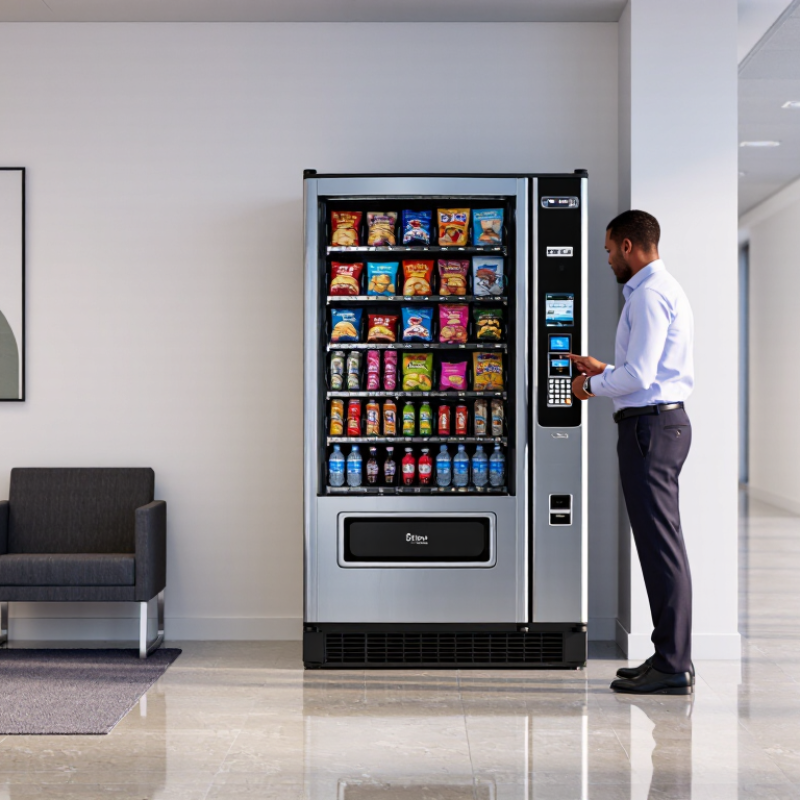
The right lease depends on what your location actually needs. Picture a break room with steady lunchtime traffic: machine capacity, product mix, payment options, and refill schedules all matter. So do delivery access and the time it takes to resolve a service call. Small details count. A low monthly payment may not include installation, repairs, or replacement parts. Ask for the full cost in writing, including the lease term, service commitments, and what happens if the machine no longer suits the site. Compare more than one proposal, and check references where possible. This is practical advice, not a guarantee of savings; the NAMA industry estimate does not predict results for any individual business. A good lease should fit real demand, not an optimistic guess. That distinction is easy to miss.
How to Lease a Vending Machine for Your Business

Size Demand Using NAMA’s $26.6B 2023 U.S. Convenience-Services Estimate

Before leasing a vending machine, size the opportunity around your own customers. NAMA estimated the U.S. convenience-services industry at $26.6 billion in 2023. That figure covers a broad sector, not vending machines alone. Treat it as context, not a forecast for your site. A busy building may still produce weak sales if people bring food or leave during breaks.

Count likely users during different shifts, then note when they pass the proposed location. A machine near a staff entrance may serve night workers better than one in a quiet lobby. Ask about current snack options and observe foot traffic for several weekdays. Estimates can be wrong; that is worth admitting before signing. Compare lease terms, service fees, restocking schedules, and repair response times. Confirm who pays for power and what happens if the machine underperforms.

Tips: Start with a short lease or trial period if available. Track sales by item and time of day, not just total revenue. Keep the first selection modest. A neat machine with a few empty slots can reveal demand more clearly than a large, overfilled one. Don’t assume the national estimate guarantees local customers.

Choose the Lease Type, Term, and Fees That Fit Your Business

A vending machine lease can be structured as a short-term rental or a longer agreement with an option to buy. A rental may suit a new office testing demand, since it can limit the commitment. A lease-to-own plan may cost more each month but build toward ownership. Read the agreement carefully: “maintenance included” might cover repairs, but not restocking or damage.

Compare the total cost, not just the monthly payment. Ask for an itemized quote showing setup, delivery, service calls, payment processing, and any end-of-lease fees. For example, a low monthly rate can look less attractive once a delivery charge and minimum service fee are added. Get exclusions in writing. Small print matters.

Match the term to how stable your location is. A busy staff kitchen with steady foot traffic may support a longer lease; a seasonal site may need more flexibility. Check whether early termination carries a fee, and whether you can move the machine. Estimate sales conservatively using actual headcount and break times, not a hopeful guess. That estimate can still miss. A simple spreadsheet comparing total payments across two or three terms can reveal which trade-off fits your cash flow.

Specify Cashless-Ready Equipment: Cantaloupe Reports 71% of 2023 Vending Sales

When leasing a vending machine, specify cashless-ready equipment in the agreement, not just in a sales conversation. One industry report attributed 71% of 2023 vending sales to cashless transactions. That figure makes payment options worth examining, but it does not guarantee the same mix at your site. A break room with steady weekday traffic may behave differently from a lobby that gets evening visitors.

Ask whether the machine accepts tap, mobile wallet, and chip payments, and whether connectivity is included in the lease. Clarify transaction fees, software charges, and who handles payment-terminal repairs.

Small detail, big effect. Test the payment flow before installation, including what happens when the network drops. A card reader that looks ready but cannot connect is not much help.

Compare the total monthly cost with expected sales, restocking needs, and service response times. Get the lease term, early-termination conditions, and equipment replacement policy in writing. Check the terms. It can be tempting to choose a larger machine with more payment features, yet a smaller unit may suit a low-traffic site better. The right choice depends on actual customer habits, which are easy to misjudge before the machine has been running for a few weeks.

Compare Service, Restocking, Insurance, and Repair Terms in the Contract

Before signing a vending machine lease, read the service schedule beside the monthly fee. Ask who receives service calls and how quickly help should arrive. A machine that rejects payments during the lunch rush can frustrate customers fast. Put response times in writing, including after-hours support and what happens if a technician misses the agreed window. Small details matter.

Restocking terms should name the party responsible, the visit schedule, and how low-stock items are handled. Clarify who chooses products, checks expiration dates, and removes damaged items. If you pay based on sales, ask how transactions are recorded and when you can review the report. A sample report can reveal confusing fees before they appear on an invoice. Get it in writing.

Check whether the lease requires you to carry insurance or includes coverage through the operator. Ask what the policy covers: machine damage, inventory, or injury claims may be treated differently. Request current proof of coverage and confirm who pays the deductible. Repair terms deserve equal attention. Identify who pays for parts, routine maintenance, and damage caused by misuse. Also ask whether rent continues while the machine is unusable. I would not assume a vague “full service” promise covers every breakdown; that wording can leave room for disagreement. A written repair process makes delays easier to track.

Calculate Total Lease Cost, Break-Even, and Exit Options Before Signing

Before signing, calculate the lease’s full cost, not just its monthly payment. A $225 monthly lease over 36 months totals $8,100. Add a $450 delivery and setup fee, plus $30 monthly service charges, and the cost reaches $9,630 before taxes or a purchase option. NAMA’s 2023 Industry Census estimated U.S. convenience services revenue at $26.6 billion. That industry-wide figure signals market scale, not guaranteed returns for an individual location.

Estimate break-even using realistic sales and product costs. If each vend contributes $1.25 after product costs and commissions, and monthly lease and operating expenses total $300, you need 240 sales monthly just to cover them. That is eight daily sales across a 30-day month. Count foot traffic at the machine’s actual location, and account for slow weeks. My estimate may still miss spoilage or downtime; leave room for both. Ask the lessor for the service response time in writing.

Tips: Compare the total of payments, fees, maintenance, and any end-of-term buyout. Check whether you can return, relocate, or buy the machine early, and what each option costs. Photograph its condition at delivery. Keep a copy of the signed schedule and exit terms.