10 Essential Tips for Starting a Successful Food Vending Business
Starting a Food Vending Business can be an exciting and rewarding venture for aspiring entrepreneurs. With the growing demand for convenient and diverse dining options, the food vending industry presents a unique opportunity to bring delicious cuisine directly to customers in busy urban areas, events, and gatherings. However, launching a successful food vending business requires careful planning, adherence to regulations, and a clear understanding of the market landscape.
In this guide, we'll explore ten essential tips that will help you navigate the process of establishing your food vending business. From identifying your target audience to selecting the right equipment and menu offerings, each step plays a crucial role in your overall success. Emphasizing quality, customer service, and innovative marketing will not only set you apart from the competition but also foster customer loyalty. Whether you are a culinary enthusiast or a seasoned business owner, this information will provide valuable insights to ensure that your venture thrives in the bustling world of food vending.
Understanding the Food Vending Business Landscape
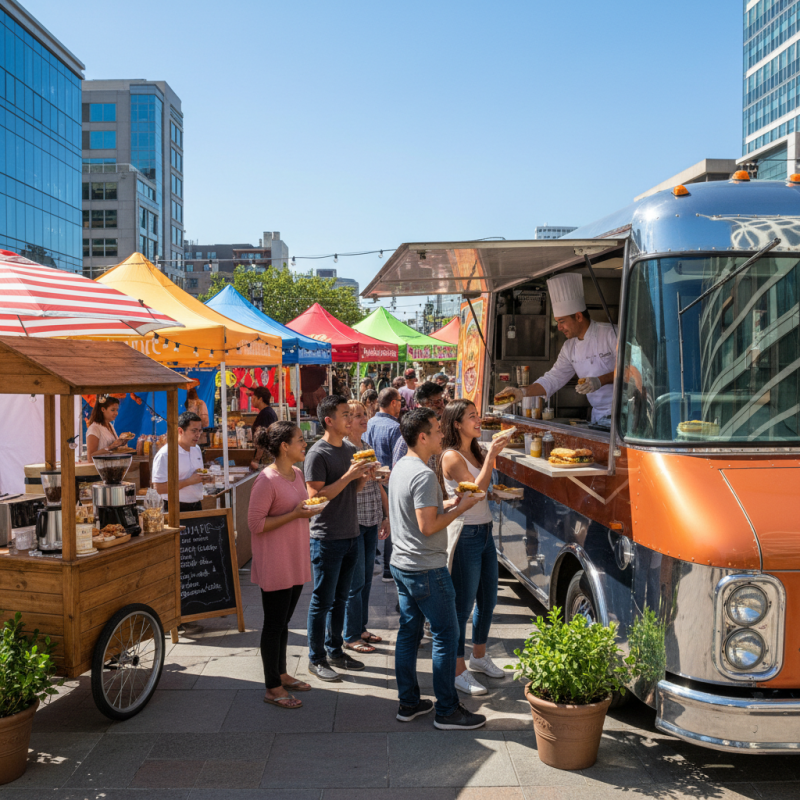
The food vending business landscape has seen significant growth in recent years, fueled by changing consumer preferences toward convenience and unique culinary experiences. According to the latest report from IBISWorld, the food truck industry alone is expected to reach a market size of $1 billion by 2024, indicating a robust appetite for mobile dining options. This trend signifies a ripe opportunity for aspiring entrepreneurs to dive into the food vending business. However, understanding the competitive environment and consumer expectations is crucial for success.
One essential tip for starting a food vending business is to conduct thorough market research. This involves identifying your target audience, understanding their food preferences, and analyzing the competition. According to a survey by Food & Wine, 73% of consumers prefer trying new food experiences, which emphasizes the importance of offering unique and appealing menu items. Furthermore, ensuring compliance with local health regulations is imperative for establishing credibility and trust in your brand.
Another critical factor is strategic location selection. A study by the National Association of Food Trucks reveals that nearly 70% of food truck sales come from high-traffic areas, making location a vital consideration for maximizing visibility and sales. Additionally, leveraging social media platforms to build a loyal customer base can significantly enhance your branding efforts. Engaging with customers online can create excitement and drive foot traffic to your vending unit, ultimately fostering a successful business venture.
10 Essential Tips for Starting a Successful Food Vending Business
| Tip | Description | Importance Level |
|---|---|---|
| Research Local Regulations | Understand the health codes, permits, and licenses required in your area. | High |
| Choose Your Niche | Identify what kind of food you want to sell and who your target customers are. | High |
| Create a Business Plan | Outline your goals, strategies, and financial projections. | High |
| Select a Good Location | Find high-foot-traffic areas to maximize sales opportunities. | Medium |
| Invest in Quality Equipment | Ensure you have reliable cooking and serving equipment to maintain food quality. | High |
| Build a Brand | Create a memorable name and logo that resonates with your audience. | Medium |
| Engage in Marketing | Utilize social media and local advertising to attract customers. | High |
| Maintain Cleanliness | Ensure your vending setup is always clean and hygienic. | High |
| Gather Customer Feedback | Listen to your customers to improve service and offerings. | Medium |
| Stay Adaptable | Be ready to adjust your business model based on market trends. | Medium |
Identifying Your Target Market and Their Preferences
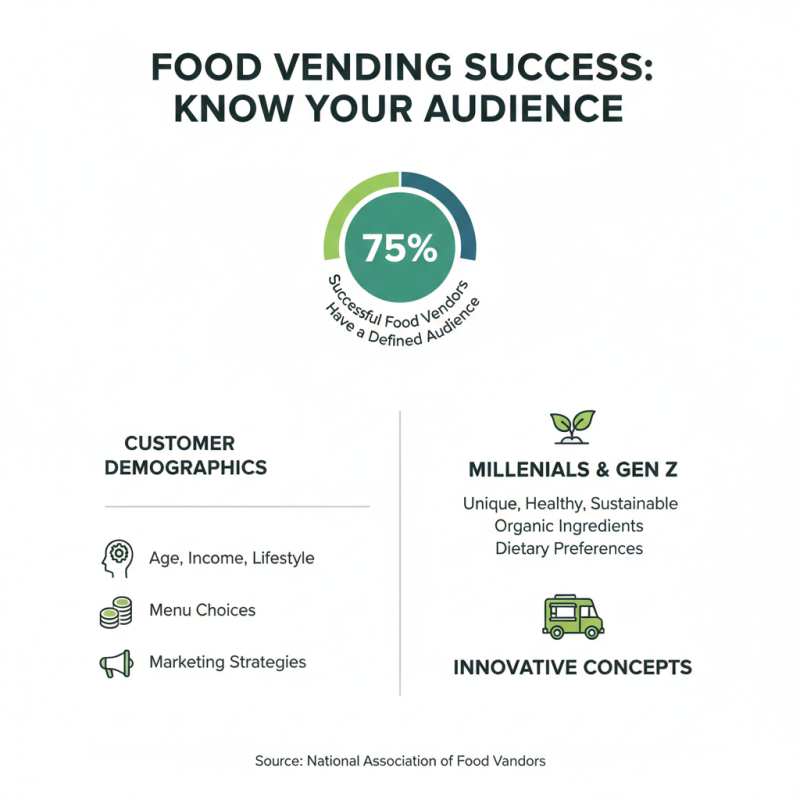
Identifying your target market is crucial for launching a successful food vending business. According to the National Association of Food Vendors, approximately 75% of successful food vendors have a well-defined audience. Understanding customer demographics—age, income level, and lifestyle—can significantly influence your menu choices and marketing strategies. For instance, millennials and Gen Z consumers typically favor unique, healthy, and sustainable food options, making them a lucrative market for innovative vending concepts that prioritize organic ingredients and dietary preferences.
Moreover, insights from the Food and Beverage Industry Report indicate that 60% of consumers are willing to pay a premium for ethically sourced and locally made food. This trend highlights the importance of conducting market research to understand customer preferences and tailor your offerings accordingly. Engaging with potential customers through surveys or social media can provide valuable feedback and help you adjust your business model. By focusing on the tastes and preferences of your target market, your food vending business can better meet the demand, ensuring a competitive edge in a rapidly evolving industry.
Creating a Business Plan for Your Food Vending Venture
Creating a solid business plan is a crucial first step for anyone looking to embark on a food vending venture. A well-structured business plan not only outlines your business objectives but also serves as a roadmap for your operations. According to the Food and Drug Administration (FDA), the food truck industry in the United States has seen a growth rate of about 7.5% annually, highlighting a significant opportunity in the market. In crafting your plan, it is vital to conduct thorough market research to identify target demographics and analyze the competition. Understanding the preferences of your local community can guide your menu offerings and pricing strategy.
Furthermore, your business plan should detail your financial projections and funding requirements. A report from IBISWorld indicates that the average profit margin for food vending businesses ranges from 6% to 9%. To capitalize on this, consider various funding options, including personal savings, loans, or crowdfunding platforms. Outline your costs, from initial capital for equipment to ongoing expenses such as permits and inventory. Establishing a budget will help you manage your resources effectively and prepare for unexpected expenses, which is essential in the often-volatile food service industry. By investing time in crafting a comprehensive business plan, you set the foundation for both operational success and long-term sustainability in your food vending endeavor.
Navigating Legal Requirements and Permits for Food Vendors
When starting a food vending business, understanding and navigating the legal requirements and permits is crucial for success. Each locale has its own regulations, and it’s essential to conduct thorough research on what applies to your specific area. This typically involves obtaining a food service license, which ensures compliance with health and safety standards. Make sure to connect with local health departments to understand their guidelines on food handling, preparation, and storage. It’s also important to check zoning laws to confirm that your intended operations align with local regulations.
In addition to health permits, you may need a vending permit, especially when planning to operate in public spaces, such as parks or city streets. This process could include applications, fees, and inspections, so it’s wise to prepare in advance. Furthermore, making sure you have the appropriate insurance coverage, like liability insurance, is essential to protect your business from potential risks. Lastly, considering permits for signage and parking is also important, as these can affect your ability to attract customers. By staying informed and organized, you can navigate the complexities of legal compliance and focus on making your food vending business thrive.
Choosing the Right Equipment and Menu for Your Stand
Starting a food vending business can be an exciting venture, but selecting the right equipment and menu is crucial for long-term success. According to the Food Marketing Institute, more than 80% of consumers are more likely to choose convenience foods, making food trucks and vending stands an attractive option for busy individuals. To capture this market effectively, consider investing in high-quality equipment that can withstand regular use while maintaining food safety standards. Essential equipment includes a reliable grill, refrigeration units, and portable serving stations that cater to various menu items.
When it comes to your menu, flexibility and originality are key. Industry trends show that street food is not merely about quick bites but also about unique and memorable culinary experiences. A survey by the National Restaurant Association indicates that 45% of consumers prefer food vendors who offer artisanal or gourmet options over traditional fare. To stand out, craft a menu that incorporates local flavors and seasonal ingredients, ensuring that you can refresh your offerings to meet changing consumer preferences.
Tip 1: Regularly assess your best-selling items and replace underperforming dishes to keep your menu dynamic.
Tip 2: Utilize social media to engage with your customers, showcasing seasonal specials and gathering feedback to refine your offerings. By focusing on the right equipment and a captivating menu, you can position your food vending business for sustained growth and success in a competitive market.
Related Posts
-
Mastering the Art of Sourcing Quality Suppliers for Your Food Vending Business with Essential Industry Insights
-

Unlocking Success: How to Identify Top Suppliers in the Global Food Vending Industry
-
Emerging Technologies and Innovative Approaches in Vending Solutions for 2025
-
Innovative Vending Machine Solutions Transforming Retail with 5 Key Advantages
-
Understanding the Mechanisms of Food Vending Systems
-
Maximize Profitability with Snack Machine Maintenance Benefits and 7 Essential Cost Saving Tips