How to Choose an Inventory Vending Machine in 2026?
Choosing an Inventory Vending Machine in 2026 requires more than comparing screen sizes or machine prices. The right system should protect stock, simplify access, and provide reliable usage data. A technician opening a cabinet at 6:30 a.m. needs gloves, filters, or fasteners available without searching through crowded shelves.
Industrial vending consultant Bob Tullio emphasizes, “A successful vending program begins with disciplined inventory control, not simply installing a machine.” His point remains practical. Technology cannot repair unclear ownership, inaccurate item lists, or weak replenishment procedures. Buyers should examine the full workflow before approving a purchase.
Start with the items you actually issue. Measure dimensions, weight, withdrawal frequency, and environmental needs. Small consumables may fit spiral compartments, while bulky tools may require lockers or carousel storage. Review barcode, RFID, PIN, and employee-badge options. Integration with ERP, procurement, or maintenance software also matters.
Look closely at replenishment alerts. Can supervisors see stock levels remotely? Can the system record who removed an item and when? These details turn scattered consumption into usable evidence. They also expose uncomfortable truths. Your current inventory records may be incomplete.
Do not ignore service quality. Ask about installation, training, replacement parts, cybersecurity practices, and response times. A low-cost machine can become expensive when support is slow.
Test the user experience.
Workers should not need lengthy instructions.
The best Inventory Vending Machine is not always the largest or most automated model. It is the one that matches your inventory profile, workplace habits, and control requirements. Pilot one location first, measure results, and revise the plan before expanding. Mistakes are useful here, if the data is honestly reviewed.
What an Inventory Vending Machine Is and How It Works
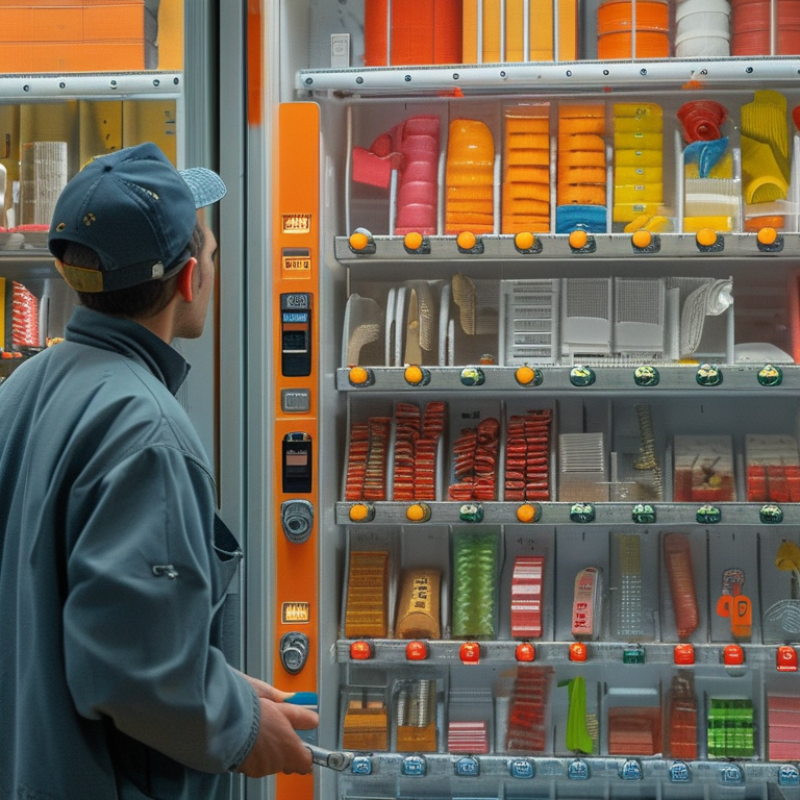
An inventory vending machine is a secured cabinet that stores and dispenses workplace supplies. It can manage gloves, filters, fasteners, tools, and other maintenance items. Users scan an ID, barcode, or RFID tag before opening a compartment. The machine records the item, quantity, time, and user. Weight sensors or optical sensors can update stock levels automatically. A connected dashboard then warns managers when supplies need replenishment.
The value is control, not novelty. In a busy maintenance room, open shelves often hide overuse, misplaced items, and sudden shortages. Zebra’s 2023 Warehousing Study reported that 76% of warehouse decision-makers planned greater modernization by 2028. MHI’s 2024 Annual Industry Report also identified inventory optimization and visibility as major supply-chain priorities. These figures support automation, but they do not guarantee savings. Poor item coding can create false data. A machine with unsuitable compartments can slow workers down. That assumption can fail.
Tips: Begin with a 30-day usage audit. Measure issue frequency, item size, replenishment time, and emergency purchases. Choose adjustable compartments, clear access logs, offline operation, and simple reporting. Test the machine beside the actual work area. A beautiful interface is not enough. Check whether workers can retrieve one item quickly, even with gloves. Also review maintenance contracts, data security, and integration with existing inventory software. A small pilot may expose problems earlier than a large purchase.
Which Inventory Vending Machine Features Match Your Needs
How to Choose an Inventory Vending Machine in 2026?
The right inventory vending machine should match your workflow, not chase every feature. In real stockrooms, access control, item tracking, and simple replenishment often matter most. Select compartments for your actual items, including gloves, tools, filters, or maintenance kits.
A 2024 MHI Annual Industry Report found that 55% of supply-chain leaders planned to increase technology investment. This supports smarter storage, but investment alone cannot fix poor processes.
Match features to measurable needs. Choose badge or PIN access when accountability matters. Add weight sensors for high-volume items.
Use barcode or RFID scanning when item identity must be precise. A live dashboard helps supervisors spot unusual withdrawals and low stock.
Integration with purchasing software can reduce manual entries, although compatibility deserves careful testing. Do not assume every connection will work smoothly. A perfect machine does not exist.
Tips:
Ask for a 30-day usage simulation before purchase. Measure refill time, failed scans, and emergency access requests. Check whether the interface works with gloves and limited lighting. Request audit logs, user permissions, data retention details, and service response times. The machine should also support manual correction when sensors misread an item. That small safeguard is often overlooked. Review the 2024 MHI findings with your own withdrawal data, because industry averages cannot describe every site.
How to Evaluate Capacity, Security, and Item Compatibility
Choosing an inventory vending machine in 2026 starts with the items, not the screen. MarketsandMarkets’ 2024 Smart Vending Machine report projects the market to grow from about $11.8 billion in 2024 to $25.8 billion by 2029. That growth makes careful evaluation more important. Measure item dimensions, weight, packaging, and daily demand before comparing storage capacity. A machine holding 500 units may still waste space if products require separate trays.
Capacity must match replenishment routines. Review the number of selections, maximum stock per selection, and real-time inventory alerts. I would not trust a large capacity claim alone. A practical test uses your heaviest and most irregular items, including boxed products and small packages. Temperature control matters for sensitive goods. So does clear expiry tracking. The wrong tray can cause jams, damage, or inaccurate counts.
Security should combine physical and digital controls. Look for reinforced doors, tamper sensors, access logs, encrypted communication, and role-based permissions. Verizon’s 2024 Data Breach Investigations Report found that the human element remained involved in 68% of breaches. Shared passwords are a weak point. Require individual accounts and regular access reviews. Compatibility also includes software and payment interfaces, not only product size. GS1 standards can improve identification through consistent product data, but implementation is rarely perfect. Test scanning, stock deductions, failed transactions, and offline recovery before deployment. Small failures become expensive when nobody notices them.
How to Compare Connectivity, Software, and User Management
How to Choose an Inventory Vending Machine in 2026?
Connectivity is the first practical test. A machine should support secure Wi-Fi, cellular backup, and local operation during outages. IoT Analytics reported 16.7 billion connected IoT devices in 2023, rising to 18.8 billion in 2024. That growth makes connectivity resilience more important, not less. Ask vendors to demonstrate an offline transaction, automatic synchronization, and alert delivery after reconnection. Test it on a warehouse floor with metal shelving and weak signals. Real conditions are rarely clean.
Software comparison requires more than attractive screens. Check real-time stock visibility, replenishment rules, exportable reports, API access, and integration with purchasing systems. The software should show who removed an item, when, and from which location. Role-based permissions should separate operators, supervisors, and administrators. Keep access simple. Complex settings often become unused settings. The Verizon 2024 Data Breach Investigations Report found that the human element appeared in 68% of breaches, supporting stronger controls around passwords, approvals, and account removal.
User management deserves a hands-on trial. Create a new worker, change their department, suspend access, and review the audit trail. Then test temporary permissions for contractors. I would not overtrust a polished dashboard. Some systems report perfect availability until a network cable fails. That is a useful warning. Compare recovery time, support response, software update controls, and data ownership in writing. A cheaper machine can become expensive when every adjustment requires outside help.
How to Select, Install, and Maintain the Right Machine in 2026
How to Choose an Inventory Vending Machine in 2026?
Selecting an inventory vending machine starts with the items it will hold. Measure product dimensions, weight, packaging, and expected daily demand. Small components need adjustable spirals or secure compartments. Heavy tools require reinforced shelves and controlled dispensing. Check user access, screen visibility, payment options, and inventory reporting before choosing a model. A machine placed beside a production line should support quick access, while one in a public area needs stronger protection.
Installation requires more than finding an empty wall. Confirm floor strength, electrical capacity, network coverage, lighting, and user clearance. Keep the machine away from water, heat, and vehicle traffic. Anchor it properly, then test every compartment with real products. I once underestimated door clearance during planning. That mistake delayed setup. A simple site drawing could have prevented it. Also verify local safety, accessibility, electrical, and data-protection requirements with qualified professionals.
Maintenance should follow actual usage, not guesswork. Inspect dispensing parts weekly when usage is high. Clean touchscreens, sensors, handles, and collection areas regularly. Review stock alerts and failed transactions each day. Keep critical spare parts nearby, especially locks, sensors, and power components. Record refill times, jams, and service visits to identify repeated problems. Do not ignore small faults. A loose sensor can become a costly interruption. Staff should receive practical training and know when to stop using the machine safely. Reassess the layout after several months, because real user behavior often differs from the original plan.
How to Choose an Inventory Vending Machine in 2026
Recommended evaluation weights for selecting, installing, and maintaining the right machine
Use this weighted framework to compare machines objectively. Security and capacity are prioritized because they directly affect inventory control and replenishment frequency. Connectivity, dispensing accuracy, serviceability, energy efficiency, and accessibility support reliable long-term operation. Adjust the weights according to your site, inventory value, usage frequency, and maintenance resources.
Related Posts
-
Future Innovations in Meal Vending Machines Shaping 2025 Technology Trends
-
Reliable Chinese Manufacturing for the Best Snack Machine Guaranteed Quality for Global Buyers
-
Understanding Challenges Faced by Vending Products in Modern Retail
-
How to Transform Your Workplace with a Meal Vending Machine Solution
-
Exploring Snack Machine Innovations at the 2025 China Import and Export Fair: Trends and Insights
-
What are the Essential Food Machines for Every Modern Kitchen